



Did you know a single honey bee colony can make up to 100 pounds of honey each year? As a beekeeper, keeping your colony healthy and productive is key. Using queen excluders is a great way to do this. They help control the queen’s movement, boosting honey production and keeping your bees happy.
Using queen excluders has changed beekeeping for me. They help manage the colony’s size and stop swarming. This makes your hive more productive. In this article, I’ll share how to use queen excluders to your advantage in beekeeping.
Key Takeaways
- Understand the role of queen excluders in beekeeping
- Learn how to install queen excluders effectively
- Discover the benefits of using queen excluders
- Improve honey production with queen excluders
- Enhance colony health with proper queen excluder use
Understanding the Purpose of Queen Excluders
To keep a hive healthy and productive, beekeepers need to know about queen excluders. These tools are key in hive management. They help control the queen bee’s movement in the hive.
What is a Queen Excluder?
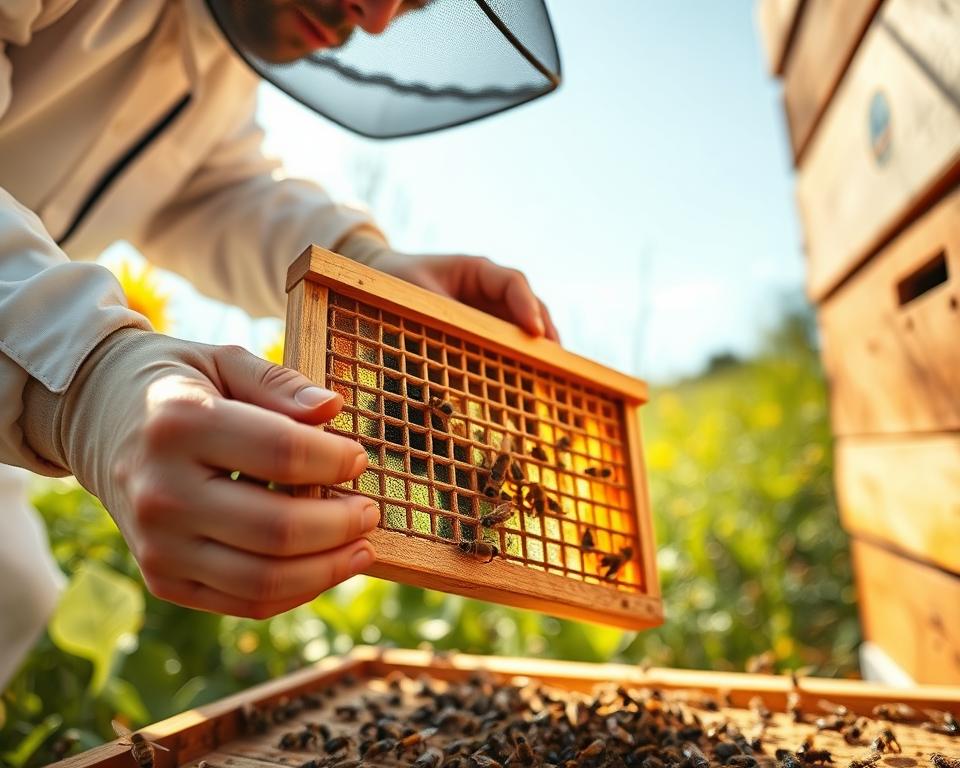
A queen excluder stops the queen bee from going into certain parts of the hive, like the honey supers. This prevents her from laying eggs there. It helps avoid brood in the honeycomb and boosts honey production.
These devices are made of a grid or mesh. They have small openings for worker bees but not for the queen. This design makes them a must-have for beekeeping equipment.
Benefits of Using Queen Excluders
Using queen excluders has many advantages for beekeepers. They help control the queen’s movement, leading to:
- Better honey production by keeping honey supers brood-free.
- Better hive management by controlling where the queen lays eggs.
- Less chance of swarming by limiting the queen’s space.
For more on queen excluders, check out Dadant’s resource page.
Choosing the Right Queen Excluder for Your Hive
As a beekeeper, picking the right queen excluder is key for apiary management. It’s important for the health and productivity of your beehive. There are many options, so it’s good to know what each one offers.
Different Types of Queen Excluders
Queen excluders vary in design and material, each with its own benefits. Here are the most common types:
- Plastic queen excluders: They’re light, easy to clean, and a favorite among beekeepers.
- Metal queen excluders: They’re durable and last long, perfect for those who like traditional methods.
- Hybrid queen excluders: They mix the best of plastic and metal, giving you flexibility and durability.
When picking a queen excluder, think about what your beehive needs. For example, if you want something easy to use and clean, go for plastic. If you need something that lasts, metal might be better.
Material Considerations
The material of the queen excluder matters a lot. You should look at durability and ease of cleaning. Metal excluders last longer but are harder to clean than plastic ones.
Also, think about how the material affects the bees. Some materials are better for bee health than others. Choosing the right material helps keep your colony healthy.
How to Properly Install a Queen Excluder
A queen excluder is a key tool in beekeeping. It works best when installed correctly. This ensures the queen stays in the brood chamber, improving hive management and honey production.
Step-by-Step Installation Guide
To install a queen excluder right, follow these steps:
- First, take out the queen excluder and check it for damage or dirt.
- Then, put it on top of the brood chamber, making sure it’s centered and flat.
- Next, use the clips provided or place the first honey super on top to secure it.
- Make sure the queen is below the excluder and that it doesn’t block the bees’ path.
By following these steps, you’ll have your queen excluder set up right. This supports good hive management and beekeeping tips. It makes your beekeeping journey better.
Common Mistakes to Avoid
Even seasoned beekeepers can slip up when putting in a queen excluder. Here are some common errors to steer clear of:
- Wrong size: Make sure the excluder fits your hive.
- Bad placement: Don’t put the excluder at an angle or off-center.
- Not checking: Regularly inspect the excluder for damage or blockages.
As beekeeping pros say, “A well-installed queen excluder is essential for Utilizing Queen Excluders Effectively. It keeps your colony healthy and productive.”
Knowing these common mistakes and how to avoid them helps. It makes your queen excluder work better. And it leads to a more rewarding beekeeping experience.
Monitoring Colony Health with Queen Excluders
Keeping an eye on colony health is key in beekeeping. Queen excluders are a big help in this. They let beekeepers see how healthy and productive their colonies are.
Signs of Effective Use
Using a queen excluder right can really help a colony. You might see less swarming and more honey. Efficient queen excluder use also keeps the colony balanced.
Look for these signs:
- A healthy brood pattern
- Active foraging behavior
- A clean and well-maintained hive
Troubleshooting Issues
But, beekeepers might run into problems with queen excluders. Queens might get stuck, or the excluder might not be set up right. To fix these, check the excluder and the hive often.
Here’s a table with common problems and how to solve them:
| Issue | Solution |
|---|---|
| Queen trapped by excluder | Check excluder for damage or improper installation; ensure queen can move freely |
| Reduced honey production | Inspect hive for signs of disease or pests; adjust excluder or supers as needed |
| Swarming behavior | Monitor for swarm cells; consider splitting the colony or adjusting the excluder |
Knowing how to use a queen excluder well and fixing common problems helps beekeepers. Regular checks and tweaks are essential for healthy, productive colonies.
Seasonal Considerations for Queen Excluders
Knowing when to use queen excluders is key for hive management. Beekeepers must change their plans with the seasons. This keeps our colonies healthy and productive.
When to Use Them
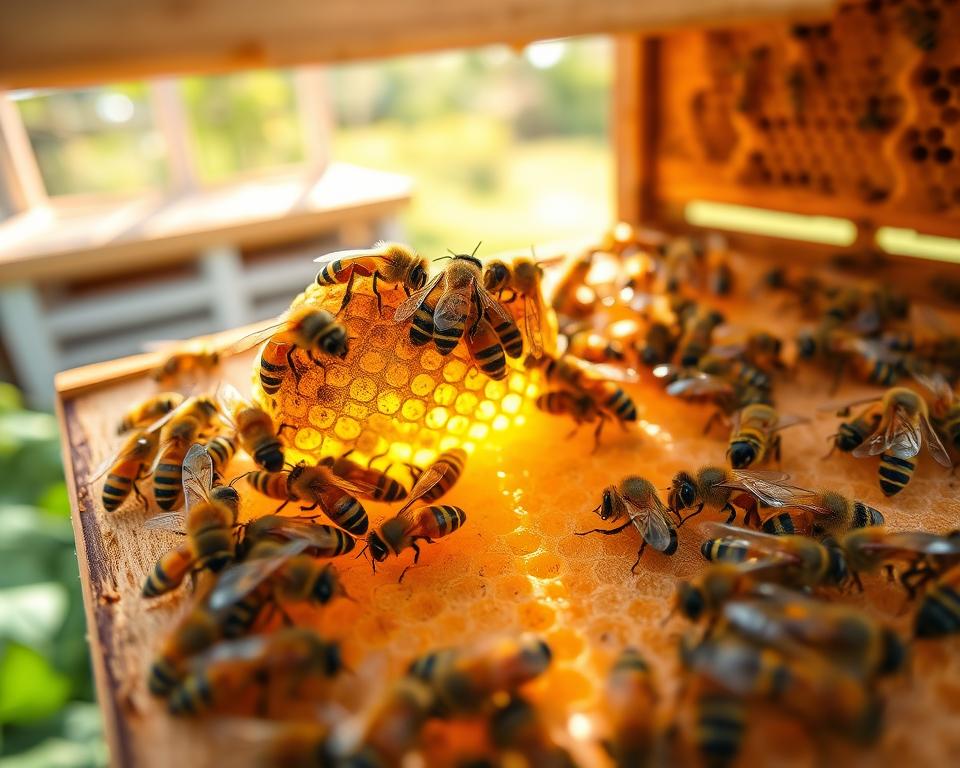
In spring, colonies grow fast. Queen excluders help control the queen’s movement. This keeps honey clean and free from brood.
Summer is when queen excluders really help. They keep the queen in the brood nest. This helps manage the colony and prevent swarming.
Adjusting for Seasonal Changes
Fall brings changes too. We need to check the colony’s health and adjust the queen excluder. Sometimes, removing it helps the colony get ready for winter.
- Watch the colony’s strength and adjust the queen excluder as needed.
- Think about removing queen excluders in winter for cluster formation.
- Put them back in spring to control the queen and boost honey production.
By adapting to seasonal changes, beekeepers can improve their beekeeping techniques. This keeps our colonies healthy and productive.
The Role of Queen Excluders in Swarm Prevention
Queen excluders play a big role in stopping swarms in honeybee colonies. By knowing how honeybees act and using queen excluders right, beekeepers can keep their colonies healthy and productive.
Understanding Swarming Behavior
Swarming is a natural thing for honeybees. A big part of the colony leaves with the queen to start a new one. This happens when the colony gets too crowded, a new queen appears, or because of other reasons. Knowing what causes swarming is key to stopping it.
By spotting swarming signs like swarm cells or less foraging, beekeepers can act fast. Checking the colony often and keeping it healthy is very important.
Strategic Placement
Where you put queen excluders is very important. By placing them between the brood box and the honey super, beekeepers can stop the queen from laying eggs in the honey super. This helps keep the colony organized and lowers the chance of swarming.
To learn more about queen excluders, visit Honest Bee Ltd.’s FAQ page. It shows how queen excluders can help your beekeeping.
Integrating Queen Excluders with Other Hive Equipment
Beekeepers can boost their apiary’s success by learning to use queen excluders with other hive tools. This is key for a healthy and productive bee colony.
It’s important to make sure queen excluders work well with honey supers. Honey supers are where bees store extra honey. Making sure queen excluders fit well with these supers is key for more honey.
Compatibility with Honey Supers
Queen excluders go between the brood box and the honey super. This stops the queen from laying eggs in the honey super. It keeps the honey clean and easy to harvest.
To ensure they work well, beekeepers should:
- Choose a queen excluder that fits snugly between the brood box and the honey super.
- Regularly check the queen excluder for damage or wear that could affect its performance.
- Use a queen excluder with a grid size that lets worker bees through but keeps the queen out.
By following these tips, beekeepers can improve honey production and keep their colony healthy.
Working with Other Hive Accessories
Queen excluders can also work with other hive tools to better manage the hive. For example, using them with bee escapes makes harvesting honey more efficient.
| Hive Accessory | Function | Integration with Queen Excluder |
|---|---|---|
| Bee Escapes | Clear bees from honey supers | Enhances harvesting efficiency when used with queen excluders |
| Honey Supers | Store surplus honey | Requires queen excluder to prevent queen from laying eggs |
| Brood Boxes | House the queen and brood | Placed below queen excluder to separate from honey supers |
As shown in the table, using queen excluders with other hive tools can make beekeeping easier and better.
In conclusion, using queen excluders with other hive tools is key to successful beekeeping. By knowing how to use these tools together, beekeepers can create a productive and healthy hive.
Maintaining Queen Excluders for Longevity
To keep queen excluders working well, regular care is key. Beekeepers who use the right beekeeper tools and beekeeping techniques see better health and productivity in their colonies.
It’s important to check the queen excluder often. Look for any damage or blockages that could stop it from working right. Also, clean it regularly to get rid of debris or propolis.
Regular Inspections and Cleanings
To keep your queen excluder in good shape, do these things:
- Check the excluder for damage or wear every time you inspect your hive.
- Clean the excluder gently with a soft brush or cloth to remove any debris.
- Use a mild detergent and warm water to dissolve any propolis or wax buildup.
- Dry the excluder thoroughly before reinstalling it to prevent any rust or corrosion.
By doing these steps, you can make your queen excluder last longer and work better.
Replacement Guidelines
Even with regular care, queen excluders will eventually need to be replaced. Here’s when you might need a new one:
- If the excluder is damaged beyond repair or shows significant signs of wear.
- If you’ve noticed a decline in the excluder’s performance despite regular cleanings.
- If you’re upgrading your hive equipment or changing your beekeeping practices.
By keeping up with maintenance and knowing when to replace your queen excluder, you can manage your colony better. This will help improve your beekeeping results.
Educating Beekeepers on Best Practices
Education is key in beekeeping. It’s vital to share knowledge on the best practices. As beekeepers, we always look for ways to get better and help our bees thrive.
Workshops and Community Resources
Learning through workshops and community resources is very effective. They offer hands-on learning and a chance to learn from experts. Joining local beekeeping groups and attending workshops helps us learn about apiary management and how to improve honey production.
Workshops cover many topics, from basic beekeeping to managing pests and diseases. They also let beekeepers share their experiences and learn from each other.
Share Your Experiences
Sharing our experiences with other beekeepers is very valuable. It helps us learn and grow. By swapping stories and advice, we get new ideas on how to tackle challenges. This teamwork not only improves our skills but also helps the beekeeping community as a whole.
To encourage sharing, many beekeeping groups have events and online forums. These places let beekeepers discuss their methods and learn from each other. By taking part, we stay up-to-date with the latest beekeeping tips and techniques.
Conclusion: The Impact of Effective Queen Excluder Usage
Using queen excluders well is key to good beekeeping. It helps manage the hive and keeps the bees healthy. By knowing how to use them, beekeepers can make their beekeeping better.
Optimizing Beekeeping Operations
Queen excluders help control the queen bee’s movement. This leads to more honey and less swarming. Keeping the hive environment healthy is essential for a thriving colony.
Continuing Education in Beekeeping
I urge beekeepers to keep learning and sharing their knowledge. This builds a community of excellence in beekeeping. Staying updated on best practices helps beekeepers succeed in their craft.