

Did you know over 1.5 million Americans keep bees in their backyards? As a beekeeper, knowing local regulations is key to avoid conflicts with your neighbors.
I’ve seen many beekeepers run into problems because they didn’t know the local laws. In this article, I’ll help you understand how to keep a good relationship with your neighbors while your bees do well.
Knowing the rules and being thoughtful can help you enjoy beekeeping. It also keeps your neighbors happy.
Key Takeaways
- Understand local beekeeping laws and regulations
- Communicate with your neighbors about your beekeeping activities
- Take measures to prevent bee disturbances
- Be prepared to address neighbor concerns
- Register your beehives as required by local authorities
Understanding Local Beekeeping Laws
Local beekeeping laws differ a lot from place to place. It’s important to know the rules in your area. These laws help keep beekeeping safe and responsible, protecting both beekeepers and their neighbors.
Importance of Local Regulations
Local laws are key for public safety and eco-friendly beekeeping. For example, they might say how far hives can be from houses or need hive registration.
Following local rules avoids legal trouble and makes beekeeping look good in the community.
How to Find Local Laws
To find local beekeeping laws, you need to do some research. Here’s how:
- Look on your local government website for beekeeping laws.
- Talk to local beekeeping groups; they know a lot.
- Check local health and safety rules, as they might apply to beekeeping too.
Common Restrictions
Some common rules include:
| Restriction Type | Description | Example |
|---|---|---|
| Registration Requirements | Beekeepers must register their hives with local authorities. | Annual registration with the local health department. |
| Hive Location Restrictions | Laws on where hives can go, near property lines and homes. | Hives must be at least 10 feet away from property lines. |
| Colony Management | Rules on managing bee colonies to keep them from swarming and ensure safety. | Regular inspections to prevent swarming. |
Knowing these rules is vital for being a good beekeeper. By learning about local laws, you can keep your beekeeping safe and helpful to your community.
Zoning Laws and Beekeeping
Local zoning laws play a big role in beekeeping. It’s important to know the rules in your area. These laws tell you where you can put your beehives. Breaking these rules can lead to fines or other penalties.
Residential vs. Agricultural Zones
Zoning laws vary between residential and agricultural zones. Residential areas often have stricter rules to protect neighbors. Agricultural zones might be more relaxed, as beekeeping helps with farming and pollination.
Residential Zones: Here, you might face limits on hive numbers and how close they can be to property lines. You might also need to register or get a permit.
Agricultural Zones: These areas usually have fewer rules. Beekeeping is seen as a helpful activity for farming and local ecosystems.
Setback Requirements
Setback rules tell you how far your beehives must be from property lines and roads. These rules vary by place. They help avoid problems with neighbors.
- Check local ordinances for specific setback distances.
- Think about your bees’ flight path to avoid bothering neighbors.
- Make sure your beehives are easy to reach for upkeep, while following setback rules.
Neighboring Property Considerations
Even if zoning laws allow beekeeping, think about your neighbors’ feelings and rights. Talking openly can help avoid problems and make beekeeping better for everyone.
Best Practices: Tell your neighbors about your beekeeping. Be ready to talk about any worries they might have.
Obtaining Necessary Permits
Before starting your apiary, knowing the local permit rules is key. As a beekeeper, following local laws is essential. It keeps your apiary legal and safe for everyone.
Types of Permits for Beekeepers
Depending on where you live, you might need different permits. Here are a few:
- Apiary Registration: You must register your apiary with local authorities. You’ll need to give details about your apiary’s location and how many hives you have.
- Beekeeping Permit: Some places need a special permit to keep bees. This might include rules on how to maintain your hives and keep them safe.
- Zoning Variance: If your apiary is in a zoned area, you might need a variance. This ensures your apiary follows local zoning laws.
Application Process Overview
Getting a beekeeping permit involves a few steps. The exact process can vary by location. Here’s what’s usually involved:
- Fill out an application form. You’ll need to provide details about your apiary, like its location and how many hives you have.
- Submit supporting documents. These might include a map of your apiary and proof of registration.
- Pay the required fees. The cost can differ based on where you live.
Renewal and Compliance
To keep up with local rules, beekeepers must renew their permits. Here’s what’s involved:
| Renewal Requirement | Description | Frequency |
|---|---|---|
| Apiary Inspection | Regular checks of your apiary to make sure it’s safe and healthy. | Annually |
| Permit Renewal | Renewing your beekeeping permit to keep your apiary legal. | Every 2 years |
| Regulatory Updates | Keeping up with any changes in local laws and apiary regulations. | Ongoing |
By following these steps, beekeepers can run their apiaries legally and safely.
The Importance of Communication with Neighbors
Before starting beekeeping, talking to your neighbors is key. This chat can ease their worries and build a good relationship.
Talking to Neighbors Before Starting
Tell your neighbors about your beekeeping plans. Share where your hives will be, how many you’ll have, and how you’ll keep them safe. Being open can stop neighbor bee complaints.
Be ready to answer any questions or concerns. Explain beekeeping basics, the good it does, and how you’ll manage the bees. This way, you can avoid problems.
Addressing Concerns and Questions
Neighbors might worry about getting stung or how beekeeping affects their property. Listen to their fears and give them facts. Tell them most bees are not aggressive and only sting when defending their home.
Showing you care and are responsible can win their trust. Trust is key to avoiding misunderstandings and making sure your beekeeping is seen as a positive thing.
Building Relationships for Support
Good relationships with neighbors can lead to their support for beekeeping. When they see the benefits, like pollination and honey, they’re more likely to be on your side.
Keep talking and sharing updates about your bees. This keeps your relationship strong and helps solve any problems quickly.
Best Practices for Hive Placement
As a beekeeper, picking the right spot for your hives is key. It keeps you and your neighbors happy and your bees healthy. It’s not just about what’s easy for you. You also need to think about local hive placement ordinances.
Preferred Locations for Hives
Choosing a location for your beehives involves several important factors. Look for a spot that’s safe, easy to get to, and good for your bees. A place with morning sun and shade later in the day is best for your bees’ comfort.
Having a water source nearby is great, but avoid areas where water might flood.
Minimizing Neighbor Impact
To lessen the impact on neighbors, place your hives away from their outdoor spaces. A flyway barrier like a fence or hedge can help keep bees away. This reduces chances of bees bothering your neighbors.
Keeping Hives Safe and Secure
Keeping your hives safe and secure is a top priority. Make sure they’re protected from strong winds, floods, and predators. Check your hives and the area around them often to keep everyone safe.
By thinking carefully about where to put your hives and how to reduce their impact, you can have a great beekeeping experience. It will benefit you and your community.
Neighborhood Awareness Campaigns
Neighborhood awareness campaigns are key for beekeepers to live in peace with their neighbors. By teaching those around us about beekeeping, we can solve concerns and build a supportive community.
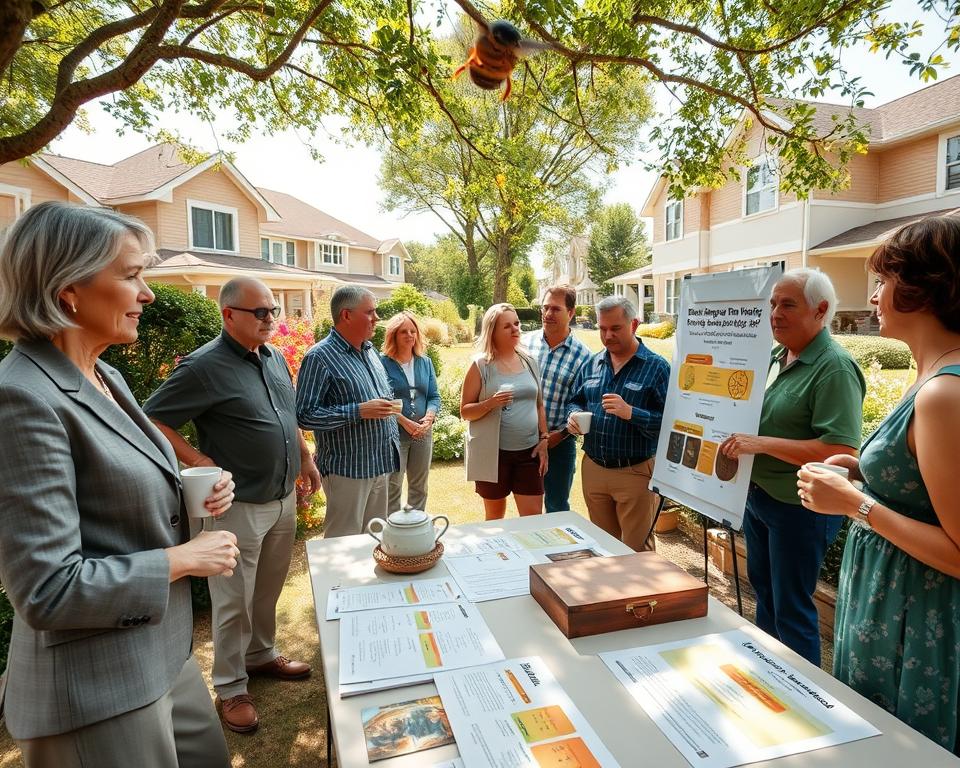
Organizing Informational Sessions
Hosting informational sessions is a great way to teach neighbors about beekeeping. Invite local beekeeping experts to share their knowledge on best practices. This includes how to reduce beekeeping noise restrictions. For more detailed guidance, check out resources like NYC Beekeeper’s Association.
| Session Topic | Description | Target Audience |
|---|---|---|
| Beekeeping Basics | Introduction to beekeeping, equipment, and safety measures. | New beekeepers and neighbors |
| Bee Health and Pests | Discussion on maintaining healthy bees and managing pests. | Experienced beekeepers |
| Beekeeping and the Law | Overview of local regulations and zoning laws. | All beekeepers |
Sharing Benefits of Beekeeping
Beekeeping brings many benefits to the community, like pollination services and environmental support. As
“Bees are the backbone of our agricultural system, and their role in pollination is invaluable.”
Sharing these insights can help neighbors see the positive impact of beekeeping.
Inviting Neighbors to Events
Inviting neighbors to beekeeping events or apiary tours can demystify beekeeping and build trust. It’s a chance to show the care and responsibility in maintaining beehives, addressing concerns about noise and safety.
- Apiary tours
- Beekeeping workshops
- Community honey harvests
By engaging with our neighbors and sharing the joys and responsibilities of beekeeping, we can create a more harmonious and supportive community.
Managing Allergies and Safety Concerns
Beekeeping is good for the environment but comes with risks. Beekeepers must know how to handle bee stings and take steps to stay safe.
Understanding Bee Allergies
Bee allergies are a big worry for beekeepers and their neighbors. It’s important to know the dangers of bee stings. Some people can have a bad reaction to bee venom, from mild to severe.
Beekeepers should teach others about allergic reactions and how to react. Knowing local beekeeping laws helps manage allergy risks too.
Managing Bee Behavior Around Neighbors
Keeping bees away from people is key. Place beehives in safe spots and make sure bees can fly without bothering neighbors.
Keeping beehives clean and healthy is also important. Healthy bees are less likely to sting.
Safety Measures for Hive Maintenance
When working on the hive, safety is a top priority. Wear a beekeeping suit and gloves to avoid stings.
Do maintenance when bees are less active, like in the cooler parts of the day. Tell your neighbors what you’re doing. Following local beekeeping laws is also a must.
Conflict Resolution with Neighbors
Dealing with neighbors can be tough, but there are ways to solve problems. As a beekeeper, keeping good relations with neighbors is vital. This helps avoid any disagreements.
Approaches to Resolving Issues
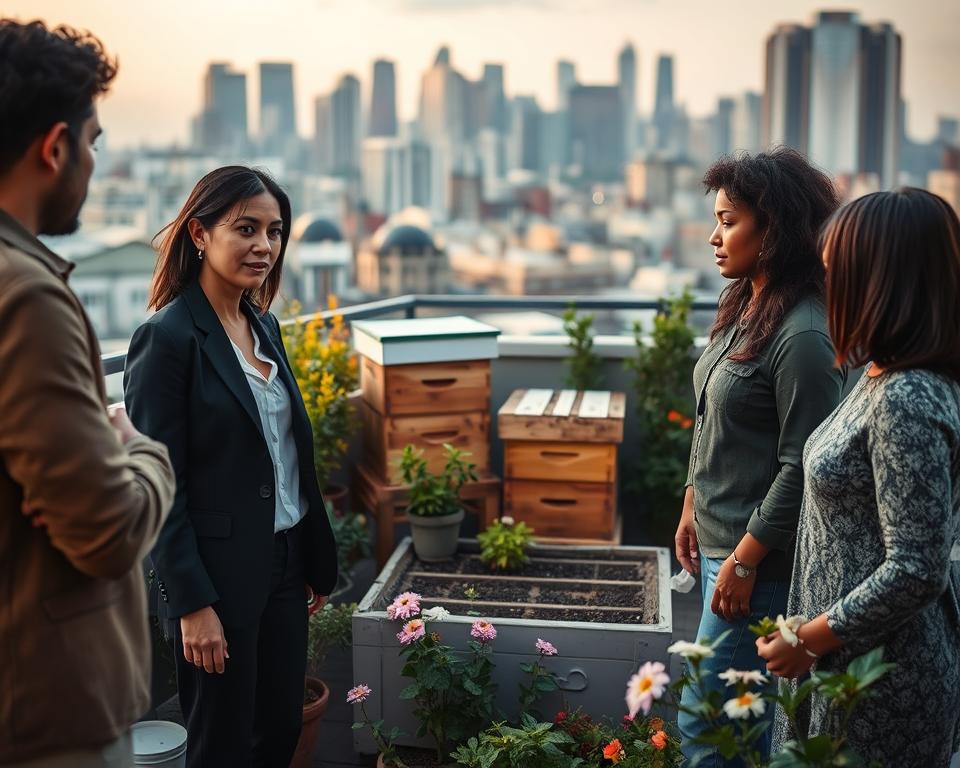
When problems come up, it’s important to tackle them quickly and nicely. Open communication is the first step. Talk to your neighbors to understand their worries and share how you keep your bees safe.
If a neighbor worries about bee safety, explain the steps you take. You can also share educational materials or invite them to a beekeeping meeting. This can help clear up their concerns.
Legal Recourse Options
If talking directly doesn’t work, knowing your legal rights is key. Learn about beekeeping regulations and local laws. This can help defend your beekeeping.
If a neighbor complains, check if you follow local laws. Sometimes, you might need to talk to local authorities or get legal advice. This can protect your beekeeping.
Mediation Services for Beekeepers
Mediation is a good way to solve conflicts. Mediation services offer a fair place to talk and find a solution that works for everyone.
Many places offer mediation to help beekeepers and neighbors. This way, you can fix the problem and keep a good relationship.
Educational Resources for Beekeepers and Neighbors
It’s key to use the many educational resources for beekeepers and their communities. Knowing backyard beehive rules and best practices makes beekeeping better.
Finding Local Beekeeping Associations
Local beekeeping associations are great for both new and seasoned beekeepers. They share knowledge, resources, and support. Look online or ask local agricultural offices to find one. Many offer workshops, mentorship, and help with backyard beehive rules.
Online Educational Platforms
The internet has lots of online courses, webinars, and forums for beekeeping. They cover everything from basic beekeeping to advanced topics and local rules. Online forums let beekeepers ask questions, share, and learn from each other.
Community Workshops
Community workshops are a great way to learn beekeeping hands-on. They’re led by experienced beekeepers or local associations. Topics include hive care, bee health, and honey making. They’re also a chance to meet other beekeepers and neighbors, building community.
Using these resources, beekeepers can get better at beekeeping. They also help build a more informed and supportive community. This leads to better relations with neighbors and a positive beekeeping experience for everyone.
Environmental and Community Benefits of Beekeeping
Beekeeping is more than a hobby or job; it’s a way to help our planet. It positively affects the environment and the people around us. By keeping bees healthy, beekeepers do a lot of good.
Pollination and Local Flora
One key benefit is pollinating plants. Bees help flowers, trees, and crops reproduce. This is vital for keeping ecosystems healthy and diverse.
In fact, bees pollinate a third of our food. This is why they are so important.
Supporting Biodiversity
Beekeeping also boosts biodiversity. It helps keep ecosystems in balance. This balance is key for many species to thrive.
It also helps protect native bees. These bees are often in danger due to habitat loss and pesticides.
Contributing to Local Food Systems
Beekeeping also helps local food systems. Bees pollinate many crops, like fruits and vegetables. This makes these crops more productive.
This productivity supports local food security and economies. It’s a big help to our communities.
| Benefit | Description | Impact |
|---|---|---|
| Pollination | Bees pollinate flowers, trees, and crops. | Essential for plant reproduction and food production. |
| Biodiversity | Supports ecosystem health and balance. | Promotes a wide range of plant and animal species. |
| Local Food Systems | Enhances crop yields and food quality. | Supports local food security and economies. |
In summary, beekeeping is great for our environment and communities. It pollinates plants, supports biodiversity, and helps local food systems. As beekeepers, we are essential to keeping our ecosystems healthy and supporting our communities.
Final Thoughts on Being a Responsible Beekeeper
Thinking about beekeeping rules and how to get along with neighbors shows us something important. Being a good beekeeper helps keep the community peaceful. By following the rules about where to keep hives, beekeepers can avoid problems with neighbors.
Building Harmonious Relations
Getting along with neighbors is more than just following rules. It’s about talking openly and solving problems together. Beekeepers who manage complaints well can create a supportive community.
Staying Informed and Adaptable
Learning and changing are key in beekeeping. Keeping up with new methods and local laws helps keep bees healthy and avoids conflicts. This way, beekeepers show the community that beekeeping is positive.
Fostering a Positive Beekeeping Community
Showing the good side of beekeeping and connecting with the community helps. It clears up wrong ideas and strengthens bonds with neighbors. This benefits not just beekeepers but the whole beekeeping world.